
Slow seasons create a strange kind of pressure for home service companies. The phones are quieter, the board has gaps, and suddenly the jobs you did not close three months ago start looking more valuable than the leads you are not getting today. Most companies know they should follow up with old estimates, dormant customers, and maintenance-plan opportunities. The reason they do not is rarely strategy. It is bandwidth.
That is where AI can help, but only if the company uses it for structure instead of spam. The goal is not to flood old leads with robotic messages. The goal is to build cleaner follow-up campaigns that reactivate real opportunities without making the company sound desperate, generic, or careless.
Why slow-season follow-up usually breaks down
In many HVAC and plumbing offices, follow-up is not really a system. It is a pile of good intentions. Someone exports old estimates, someone else sends a few texts, a salesperson promises to call back, and the office moves on to whatever is urgent that day. A week later, nobody is sure who was contacted, what was said, or whether any of those leads were worth pursuing in the first place.
That is why slow-season campaigns tend to underperform. The problem is not that the market is cold. The problem is that the outreach is inconsistent. Old estimates are treated as one big list instead of a set of different situations with different reasons for hesitation.
Start by segmenting the estimate backlog
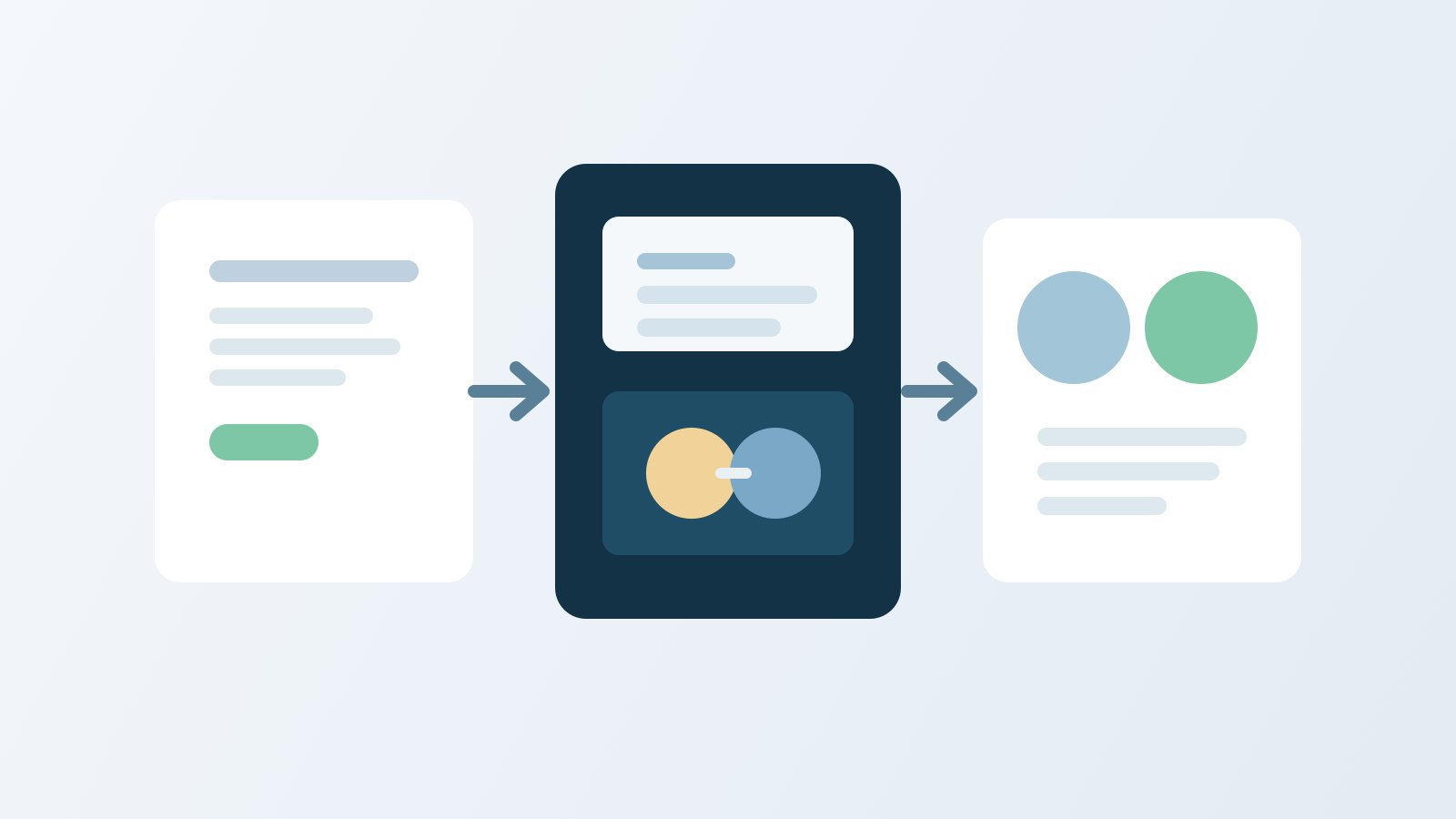
AI is most useful after the company separates the backlog into groups that actually deserve different messages. A homeowner who delayed a water heater replacement because of timing is not the same as a homeowner who went silent after hearing the price. A maintenance-plan customer who has not booked preseason service is not the same as a lead who requested an estimate and never answered the phone again.
Before writing any campaign, break the list into segments such as:
- Unsold estimates from the last 30 to 90 days
- Older quoted jobs that may still be active but stalled
- Past customers who could book seasonal maintenance
- Customers who asked questions but never scheduled
Once those groups are separated, AI can help generate more relevant drafts, summaries, and next-step suggestions for each one.
AI should create message frameworks, not fake personalization
A lot of bad follow-up happens because teams confuse efficiency with automation volume. They ask AI to make every message sound personal, even when the office does not actually know what happened with the lead. That usually produces awkward outreach.
A better use is to let AI create message frameworks based on real business context. For example, the tool can help generate a short sequence for unsold estimates where the first message reopens the conversation, the second offers a practical next step, and the third closes the loop politely if there is no response.
That keeps the office from rewriting the same outreach from scratch while still leaving room for a human to adjust tone, details, and timing.
The best campaigns are anchored in real reasons people delay
In HVAC and plumbing, many jobs do not go cold because the lead vanished emotionally. They go cold because something practical got in the way. Timing, financing, landlord approval, family decision-making, travel, and uncertainty about urgency all slow decisions down.
That matters because follow-up improves when the company acknowledges those realities instead of pretending every unsold estimate is just waiting for a discount. AI can help the office create language around the most common delay patterns, but the campaign still has to reflect how customers actually think.
Common delay themes worth building around
- The customer wanted to wait until weather changed
- The customer needed more time to compare options
- The household delayed because of budget timing
- The repair was postponed because the immediate pain went away
- The customer likely needs a reminder, not a hard close
Those themes produce more believable outreach than one generic check-in message sent to everyone.
Where AI saves the office the most time
The real value usually is not in writing one clever text. It is in reducing the cleanup work around the campaign.
AI can help office teams with:
- Summarizing old estimate notes into a clean follow-up context block
- Drafting outreach variants by lead type
- Rewriting technician-heavy notes into customer-friendly language
- Creating short call prompts for office staff handling reactivation calls
- Organizing responses into next actions instead of leaving them buried in inboxes
That is useful because slow-season campaigns fail when the office has to stop and interpret every old note manually. If AI can shorten that interpretation step, the company can move through the list with better consistency.
What not to automate too early
Do not let automation make pricing promises, urgency claims, or scheduling commitments the office cannot support. If a campaign suggests immediate openings, financing availability, or special offers, those details need to be true. Otherwise the campaign creates more operational mess than revenue.
It is also a mistake to automate every touchpoint from day one. A better rollout is to start with one list, one message sequence, and one review owner. Once the office can see what response patterns show up, it becomes easier to expand without losing control.
A useful campaign review rhythm
Slow-season follow-up works better when someone checks the output every week. Review which segment responded, which message types reopened conversations, and where the office still had to rewrite too much by hand. If AI-generated drafts save time but still need heavy editing, the prompts need work. If the list quality is poor, the problem may be segmentation rather than copy.
That review matters because campaign performance in contractor businesses is rarely just about writing. It reflects list hygiene, estimate quality, office discipline, and how clearly the company tracks next steps.
The goal is a fuller board with less office drag
The strongest AI follow-up campaigns do not feel flashy. They feel organized. The office knows which leads belong in the campaign, which message belongs to which segment, and what the next step should be when someone replies. That kind of structure matters more than clever wording.
For HVAC and plumbing companies, slow-season follow-up is one of the best places to use AI because the opportunity already exists inside the business. The work is not creating demand from nothing. It is recovering missed conversations with more consistency, cleaner language, and less administrative drag.